
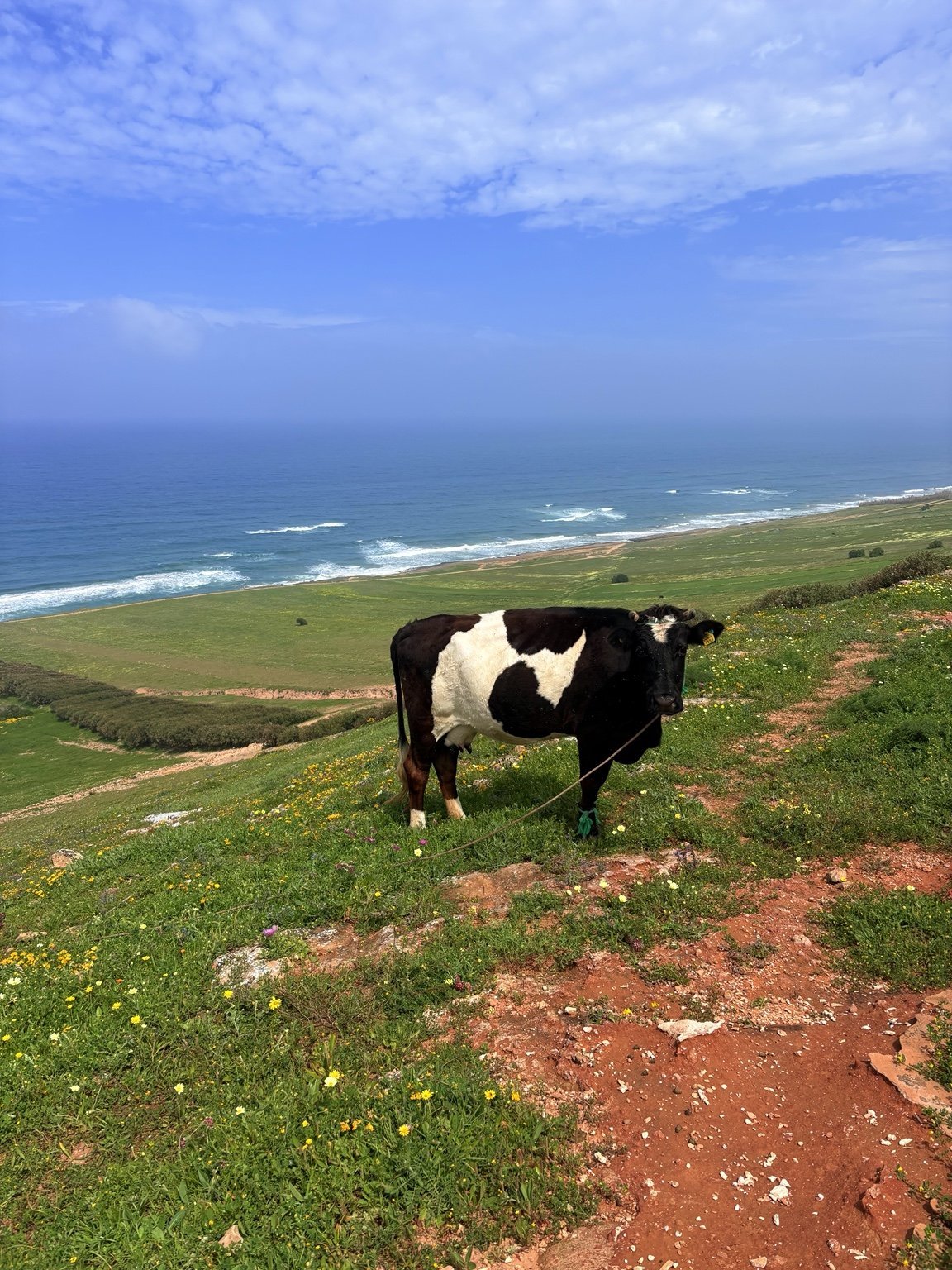
A first visit may create an immediate connection. Turn that impression into a search file: what you want to build, what you know about the land and what still needs checking.
Updated 22 September 2026
01
1. Write a clear brief
Define the intended use, approximate area, proximity to services and timeframe. Separate essential criteria from preferences: access, peace, views, vegetation or village proximity. Consider studies, equipment and site works alongside the purchase when framing your overall budget.
02
2. Record each visit
Note location references, take photographs with the necessary permission and ask the same questions for every site. Which documents exist? Who is presenting the property? How is it accessed? Which boundaries are visible? This record helps distinguish a favourable impression from confirmed information.
03
3. Bring professional checks together
Arrange legal review with a qualified professional, a site assessment with a surveyor and a programme feasibility discussion with an architect. Request planning information for the specific plot. ANCFCC offers property certificate and cadastral plan services; the relevant documents depend on the individual file.
04
4. Decide on evidence
Keep a written list of confirmed facts, missing information and conflicts with your plans. Review commitments and transaction documents with the professionals responsible for the purchase. We help organise searches and coordination; specialist checks remain with the appropriate professionals.